How a safe home is a starting point for long term recovery from drug and alcohol use
Recovery from drug or alcohol dependency isn’t easy. For many people, the foundation of lasting recovery begins with something we often take for granted – a safe and stable home. Without this, the journey becomes far more challenging.
Safe housing offers more than shelter. It provides security, it allows people to connect with others and to engage fully with support services. Without it, even the strongest commitment can falter.
Research backs this up. A report from Homeless Link highlights that Housing First programmes in the UK deliver measurable outcomes for people with complex needs, including those in recovery from substance use.
Tony’s story
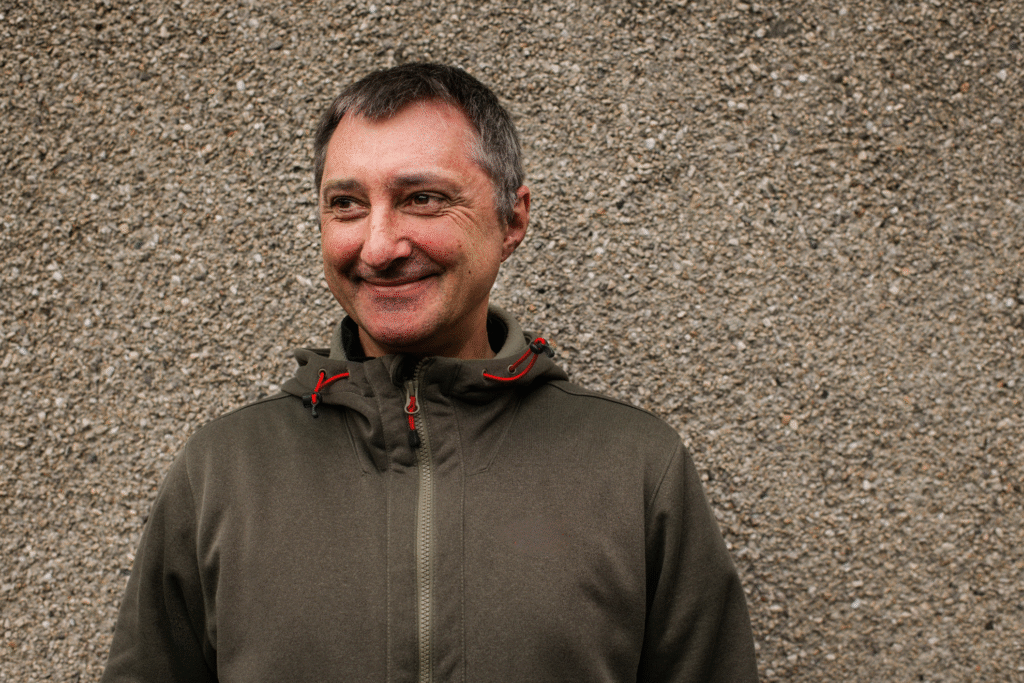
After spending more than two decades in active addiction, Tony found himself street homeless and made the brave decision to seek help. Now, with over 15 years in recovery and as a Housing Support Worker at Emerging Futures, Tony’s lived experience brings hope and inspiration to those around him.
Homeless and out of options
For the majority of the time Tony spent in active addiction, he was without a fixed address and surrounded by instability. “I was classed as no fixed address for 23 years. I went to a party in 1989 and never stopped, just carried on partying with the people I was around. I think within that time I only had my own tenancy for six months and I was never really there. It got to a point where I’d used everybody and everywhere, and I became street homeless.”
Reaching out for help
It was at this point Tony reached out for help. “I must have saved a number in my phone, because I gave them a ring, went for an appointment that afternoon and moved into a homeless project in Blackpool. That’s where my journey really started – a lot of the staff were in recovery themselves, and I never felt judged.”
The winding road to recovery
Tony’s road to recovery wasn’t straightforward. “I was given loads of warnings because I wouldn’t come back for three or four days and was hanging around with some of the same people I used to do drugs with. It got to the point where I was told my tenancy was at risk. I’d never really thought about it responsibly until that conversation, and I knew if I didn’t start staying at the homeless project I was going to be back on the streets.”
Tony started looking into detox and rehabs: “I did a month in detox, got clean off everything and went to rehab in Lancaster for three months. I then went to Emerging Futures St James House in Accrington.” As it often is, relapse was part of Tony’s journey: “I ended up getting my own place in Accrington and relapsed for about two years.”
Eventually, Tony committed to completing the first ever Dependency, Emotional, Attachment Programme, open to those who are motivated to maintain long-term recovery and which explores addiction at a personal level, supporting people to deal with unresolved issues.
A daily commitment
Recovery became a daily commitment. “I get up every day making the same decision that I’m going to work on remaining abstinent.” Tony found purpose in helping others: “I started volunteering for Acorn helping facilitate recovery groups.” This work eventually led to paid employment and a new sense of stability.
Recovery has transformed Tony’s relationships. “My mum and dad, they never mention anything anymore about what I was like back then. I think the longer you get into recovery, you move so much further away from what it used to be like.”
Why housing matters in recovery
True recovery is a long-term journey, and it needs more than willpower, it needs stability.
As we continue to help people affected by homelessness and drug and alcohol use, let’s remember that a safe home is not just part of the solution, it is the foundation upon which lasting change is built.
***
If you’ve been affected by anything in this article and need help, you don’t have to do this alone. Get in touch and a member of the team will respond as soon as they can.
Email: info@emergingfutures.org.uk
Tel: 03330 124 714